
Artificial intelligence
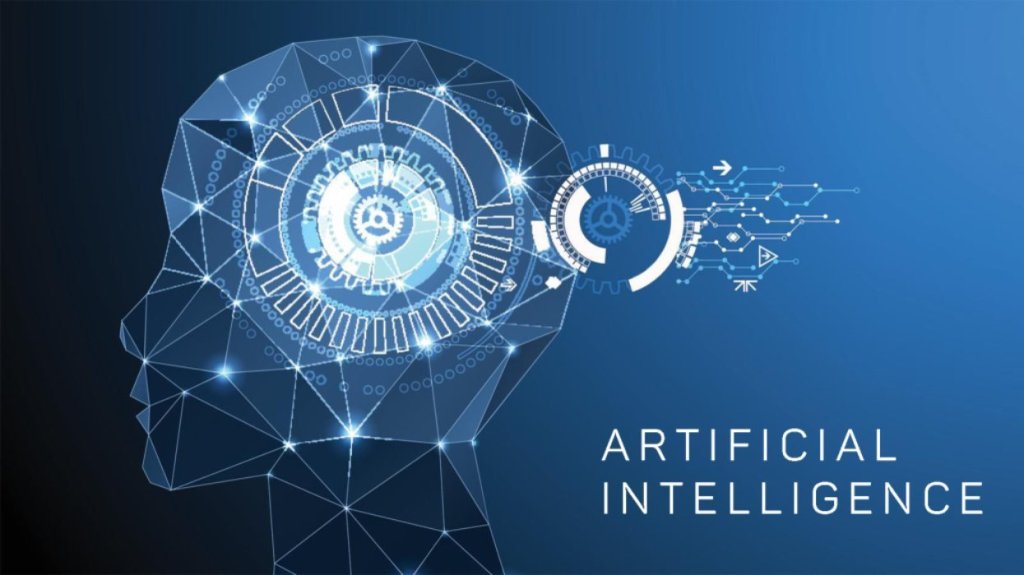
In computer science, artificial intelligence (AI), sometimes called machine intelligence, is intelligence demonstrated by machines, in contrast to the natural intelligence displayed by humans and animals. … A quip in Tesler’s Theorem says “AI is whatever hasn’t been done yet. “Five out of six Americans use ai service in one form or another every day, including navigation apps, streaming services, smartphone personal assistants, ride-sharing apps, home personal assistants, and smart home devices. In addition to consumer use, AI is used to schedule trains, assess business risk, predict maintenance, and improve energy efficiency, among many other money-saving tasks.
AI is one part of what we refer to broadly as automation, and automation is a hot topic because of potential job loss. Experts say automation will eliminate 73 million more jobs by 2030. However, automation is creating jobs as well as eliminating them, especially in the field of AI: Pundits predict that jobs in AI will number 23 million by 2020. Jobs will be created in development, programming, testing, support, and maintenance, to name a few. Artificial Intelligence architect is one such job. Some say it will soon rival data scientist in need for skilled professionals. To learn more about potential jobs in AI, read about building a career in AI or why you should earn an AI certification.
BLOCK CHAIN

A blockchain, originally block chain, is a growing list of records, called blocks, that are linked using cryptography. Each block contains a cryptographic hash of the previous block, a timestamp, and transaction data (generally represented as a Merkle tree).

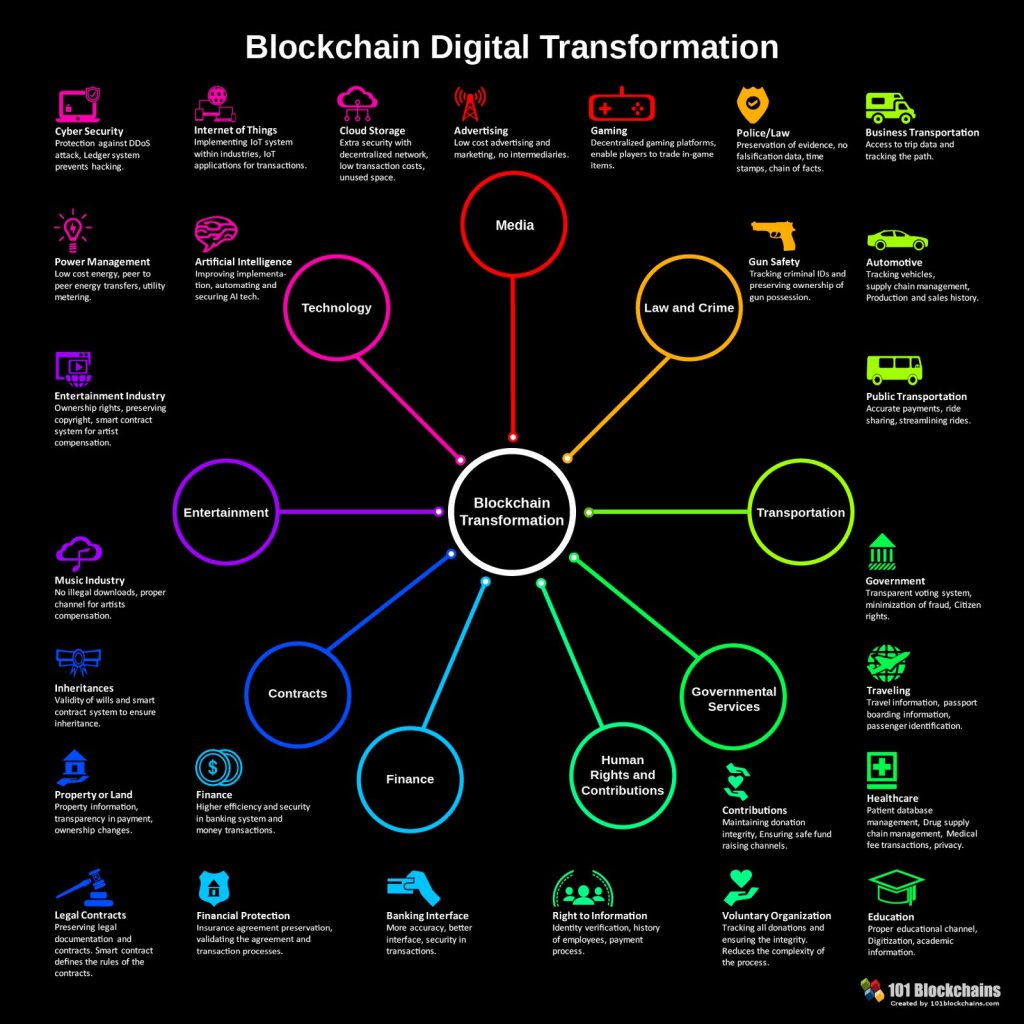
Although most people think of blockchain technology in relation to cryptocurrencies such as Bitcoin, blockchain offers security that is useful in many other ways. In the simplest of terms, blockchain can be described as data you can only add to, not take away from or change. Hence the term “chain” because you’re making a chain of data. Not being able to change the previous blocks is what makes it so secure. In addition, blockchains are consensus-driven, so no one entity can take control of the data. With blockchain, you don’t need a trusted third-party to oversee or validate transactions.
 Site Title